

streetwear culture is wellness
step up, sports cores, and the mainstreamification of streetwear

Daily Dose:
Something I’m obsessed with
“When most people discuss what they believe is confidence, they’re actually referring to self trust.”
Doers do! It’s not to working out or other standard ideas of wellness. Turns out, you really do have to just do it — whatever the it is. Talking with a friend last month we both agreed: actually doing the things you say you’ll do is game changing. Suddenly, I think I like this little life…
The Digest:
Hear me out: Without Step Up, Obama would never have won the 2008 election. Let me cook…
The mainstreamificaton of hip-hop that picked up in the 90s peaked when Miley Cyrus twerked at the VMAs in 2013. In between, a vibe shift in which proximity to Blackness became associated with “coolness.” Now, over a decade later, the backlash. But the seeds were sown long before that. Long before Obama’s inauguration and the unbearable earnestness of Obamacore.
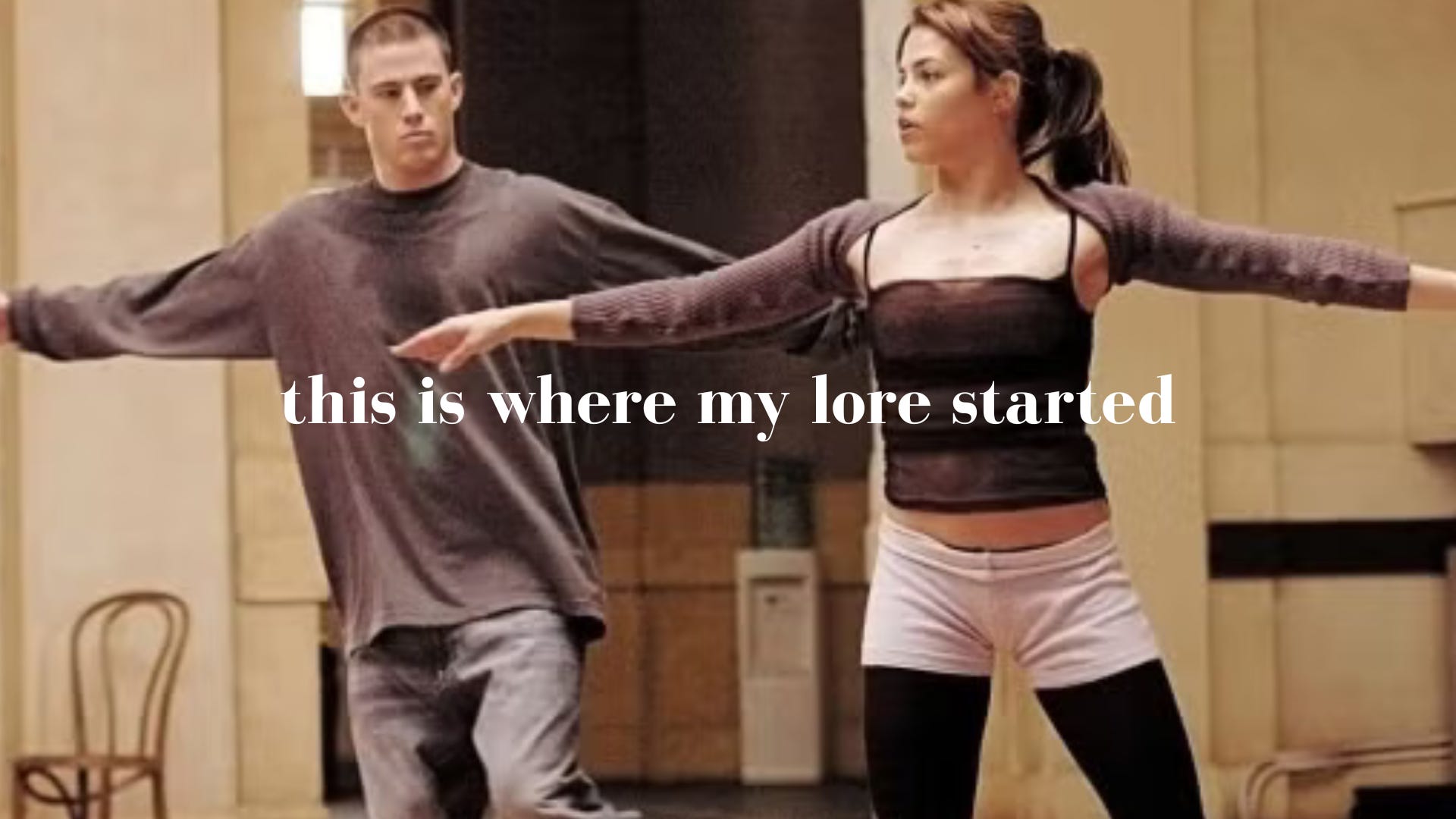
The first domino that fell was the proliferation of hip-hop romantic comedies. The genre of movies from Honey to Save the Last Dance that culminated in Channing Tatum’s character in Step Up solidified hip-hop as esoteric but aspirational.
The book “The Tanning of America: How Hip-Hop Created a Culture That Rewrote the Rules of the New Economy” (the book that was also the basis for the Leandra Medine Cohen episode of On the Cutting Room Floor … IYKYK) predicted this shift. Before social media became what it has become, it said Americans were no longer bound my shared experiences — growing up in similar neighborhoods, having similar lives. Instead, they were bound by cultural touchpoints. And, with hip-hop becoming mainstream and changing the dialogue literally and figuratively, Americans were becoming more … tan.
Step Up and its cohorts were one side of the spectrum, Fast and Furious was the other. These movies were the clearest portrayal of an enduring trope: white protagonists gaining coolness by proximity to Blackness. They’re the “we’re all the human race” of movies. But unfortunately … some of them were good.
Step Up (only the first one) still holds up. I’ve probably watched it over 30 times. But you have to understand, that movie went triple platinum in my house. Growing up, my older brother was in charge. If you have (or are) an older sibling, you understand. We watched what he wanted, we did what he wanted, we liked what he liked. And he liked Step Up, a lot.
So here is where I admit: it built me. Step Up is also the first domino that fell before the mainstreamification of streetwear culture. And if you knew me in my hypebeast days you wouldn’t be surprised to know that Channing Tatum was one of my earliest style icons. Add to that: every Ciara video and Jessica Alba Blackfishing in Honey and you have a moodboard.
Athleisure owes everything to hip hop & streetwear
Though athleisure is now dominated by brands like Alo Yoga and SKIMS, streetwear culture and its roots in hip-hop culture made sneakers and sweats cool decades ago. Thanks to trickle down culture and the tanning of America, it all culminated in the wardrobe of Step Up, from the baggy sweats with the asymmetrical sock tuck to my everlasting affinity for AF1s.
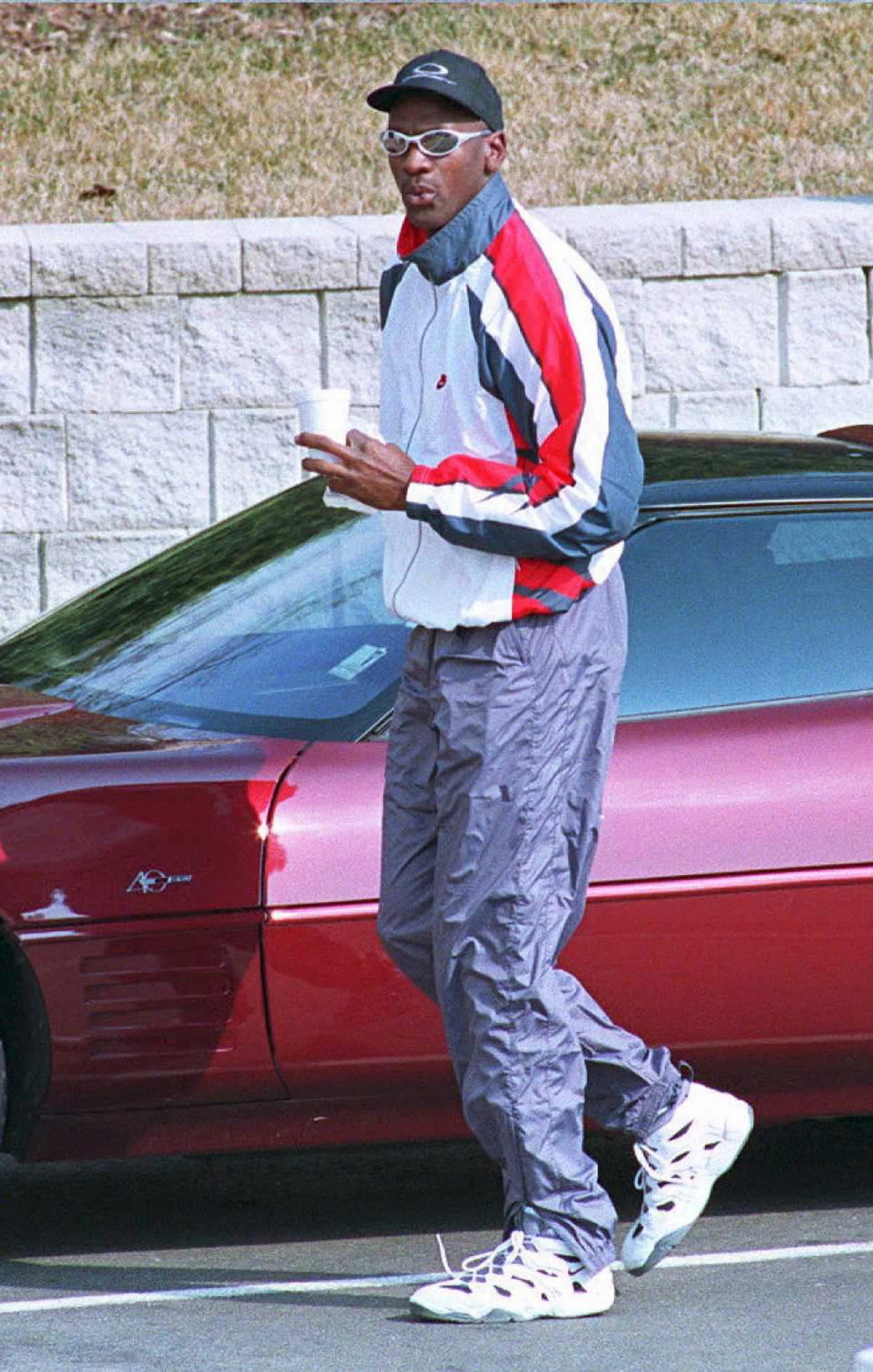
Black athletes and their wardrobes in the 90s also had a lot to do with making casual athletic wear more than functional, but fun. Dennis Rodman, Michael Jordan, duh. And that’s how I want to feel again. Love that athletes are having fun with their gameday professional wear (except whatever they had Travis Kelce in at the Super Bowl), but there must be a balance — bringing fun back into actual athleticwear — without tipping back into peak hypebeast.
However cringe it was, peak hypebeast culture built the current athleisure landscape. Leggings had turned from THEE 2000s essential to overdone, fast. After the liquid legging, the jegging, and those galaxy print monstrosities that were all over Tumblr in 2013, it was time for them to go. In opposition, normcore had its moment. But on the other end of the spectrum, streetwear was starting to break into the mainstream.
When it exploded onto the scene, it didn’t happen slowly. It wnt from the margins to the luxury sphere with breakneck speed. Supreme BOGOs paired with luxury designer houses. Virgil Abloh’s Off-White and subsequent move to LV. K*nye’s now-deleted Adidas deal. The social stock of streetwear probably peaked at the Yeezy show in Madison Square Garden. Streetwear made it acceptable to wear sweatpants to the club, sneakers to fancy restaurants, and Pete Davidson to exist.
News to no one: streetwear culture was toxically male dominated. But I wasn’t new to that, I was true to that. I was obsessed with the female creative directors juxtaposing masculine shapes with feminine accessories like bike shorts with jerseys with jewelry or heels or dresses. Rihanna is obviously the master of this: layering jerseys on silk dresses and sweatsuits with heels. Her collab with P*ma (girl, the boycott) changed lives — mine, in high school, specifically.
Vogue wrote an article titled “Which Street Style Tribe Did You Join in 2017?”(yikes) and wrote: “ In the decade since we began documenting the street style at Fashion Week, the phenomenon has become less about specific “trends” and more about lifestyles. Consider this: In 2017, Supreme hit the $1 billion mark and inspired dozens of brands to try its “drop” delivery model, so can you really call streetwear merely a trend? Not quite.”
And behind the mood board-inspired lifestyle shift in fashion? The girls. Women behind the scenes were responsible for shaping how streetwear embedded itself in the sartorial lexicon for athleisure brands today.
Of course, Emily Oberg is number one. The founder of Sporty & Rich is known for integrating streetwear aesthetics into luxury settings — it’s the name of the brand. And if you know Emily’s story (reader: I do — and in an upcoming newsletter, you will, too), the connection between Black hip-hop culture and wellness becomes clear. Oberg worked at Complex (you’re already getting the vibe) and was part of the class that launched video series after video series. Hers was called “Get Sweaty with Emily Oberg.”
Soon, Emily went from making rappers do glute bridges to being creative director of Kith Women’s (nobody loves Black culture like Ronnie Fieg that’s fs), while also creative directing in New York. Her shoot for Bandier in 2018 to launch its LA store was the athleisure shoot heard around the world (full deep dive on Emily and her problematic genius coming soon).
Her own brand is now on every single other athleisure brand’s moodboards. How some feel about the fall of Reformation’s clothing quality is how I feel about the fall of Sporty & Rich. But even if the clothes feel like sandpaper now, it doesn’t matter. It’s a lookbook, it’s the blueprint — and it’s still running circles around Adanola, Kendall Jenner or not.


And there is no doubt in my mind that Emily and I share many of the same references. She grew up on Tumblr, reblogging fashion and lifestyle and hip hop side by side. So I can’t imagine she didn’t grow up idolizing Step Up, too.
Which is to say: that is where my lore started. Whenever I need new clothes to go to and from a workout class, my reference is always Step Up. It’s never felt more relevant than with the resurgence of balletcore. Plus, the recession core office siren and old money trends make me wanna dress more like a dirtbag than ever. Just a little grown up. Like yes, I will wear a bolero with sweatpants leaving the yoga studio. Yes, I want a new pair of AF1s in 2025. And yes, it’s all the manifestation of a vision from childhood, a vision of Channing Tatum leaping over a car in a white tank and whiter shoes.
TLDR: I’m shopping. I’m healing my inner child by dressing like both Channing Tatum and Jenna Dewan in Step Up. And this is what’s on the list:
I bought these in the wrong size and when I went to return them, two different Nike employees were wearing them. So will be repurchasing…
The entire Bode Recreation line is like a twee version of Jenna Dewan and ballet core. I like this sweater and this leotard best.
Balletcore = getting into boleros. Everything at Gil Rodriguez makes me feel like I’m an extra in Black Swan, watching Natalie Portman crash out.
Everyone is obsessed with the ballet scrunch Pumas but girl, the boycott. I have these Ganni scrunch ballet flats, though.
Just got this Recreational Habits tote bag.
One More Thing
 Tiktok failed to load.
Enable 3rd party cookies or use another browser